Spaces, objects, philosophy, and the aesthetics of East Asian living. Not trend reports. Editorial observations.
Philosophy
Imperfection was never the point. What wabi-sabi teaches is something harder and more disciplined — the practice of looking at something until you understand exactly why nothing needs to be added or removed.
Read the Essay →Spaces
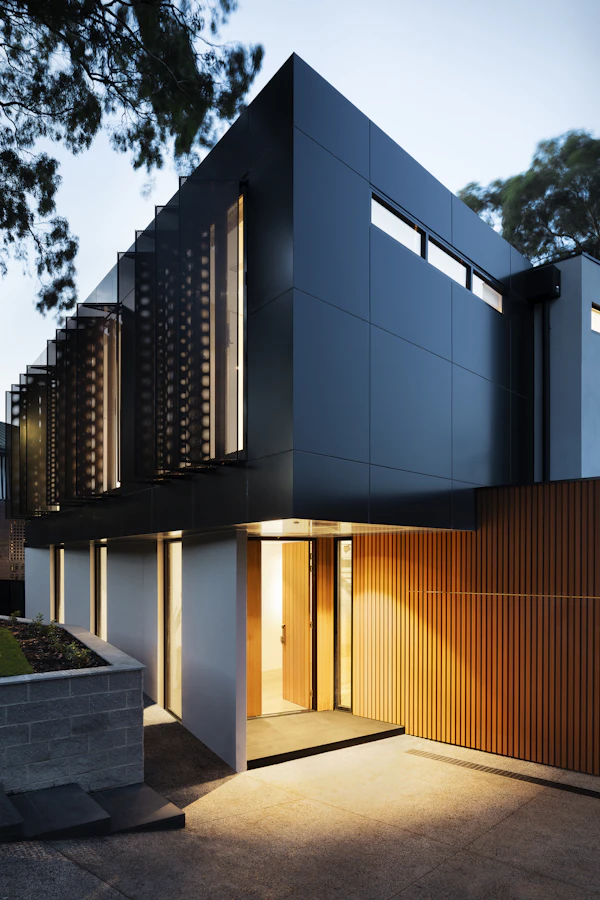
In a city that never slows, the most radical interiors are the ones that have learned to be still.
Brand Spotlight
Seoul-based and globally minded — how one studio is building a new visual language for Korean furniture.
Philosophy
The Japanese concept of ma has nothing to do with minimalism. It is about the quality of emptiness — and how empty space holds meaning.
Objects
Buncheong ware was made to be used. Not displayed. Not collected. That intention is still visible — and that's exactly the point.
Behind the Curation
It starts with a feeling, not a furniture list. Here's what actually happens between the first conversation and the final moodboard.
Spaces
Japanese bedroom design isn't about aesthetics. It is about how you wake up. How you transition from sleep to presence.
"For those who read slowly
and think about rooms."
New essays, infrequently. Only when there's something worth saying.